
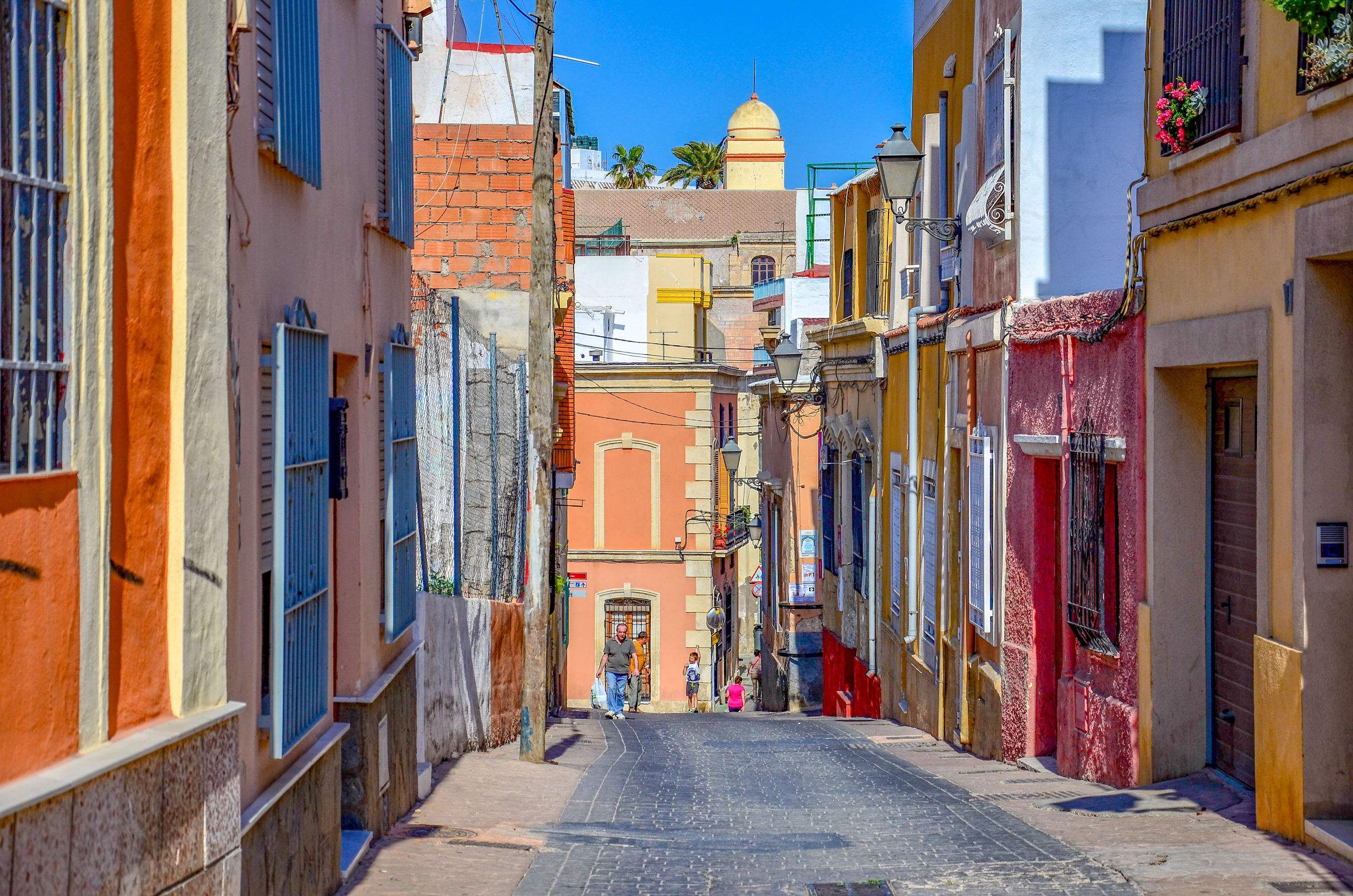
Five regions. Madrid, Barcelona, Valencia, Alicante and Tenerife
According to the latest data, 6.4% of homes are vacant in the province of Madrid, 8.2% in Barcelona, 11.6% in Valencia, 15.5% in Alicante and 20.6% in the province of Santa Cruz de Tenerife. The more a region attracts jobs, the fewer free flats it has, while in resort areas the picture is the opposite. The reasons for this difference vary.
Madrid and Barcelona are classic job cities. Jobs attract people, while new homes are built slowly. Land for development takes years to become available, and projects cannot keep up with population growth. In Barcelona, regulation has been added to this. According to the study, rent limits and the designation of “tense market zones” scared off some investors from building homes for long-term rental.
Valencia has moved from a relative balance to a shortage in a few years. After 2021, people from other regions of Spain, remote workers and students came here, while historically few new building permits were issued.
Alicante and Tenerife are a different story. Here the pressure on the market comes not only from local residents but also from foreign buyers and tourists. According to the study, in the province of Alicante non-residents have bought up a significant part of the market, and these homes have often dropped out of long-term rental. In Tenerife the island itself makes the situation worse. Land for development is limited by geography and environmental rules, so supply barely grows, while demand stays high.
A high share of vacant and seasonal homes on the coast does not mean housing there is easy to find, since such homes are not necessarily available to those who live there all year round. So in Madrid, Barcelona and Valencia there are not enough homes where the jobs are, while in Alicante and Tenerife locals compete for limited housing with those who come for the season or buy a second home. In the next article we will look at how Spain got here, from the construction boom of the 2000s to a shortage of about 750,000 homes. And by some estimates the shortage reaches 1 million housing units.


Opening a Bank Account in Spain.If buying property, moving or staying in Spain for

Once you understand the steps in a transaction, the next thing worth knowing is

The tax picture on the Costa Blanca is different from Tenerife, and it’s changed